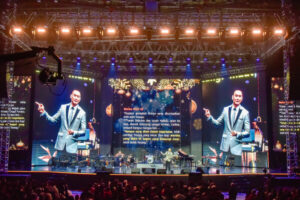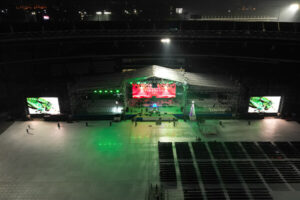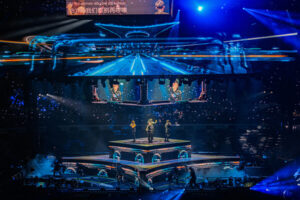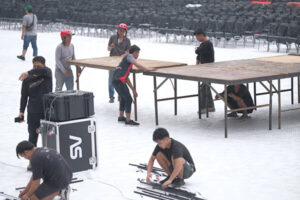


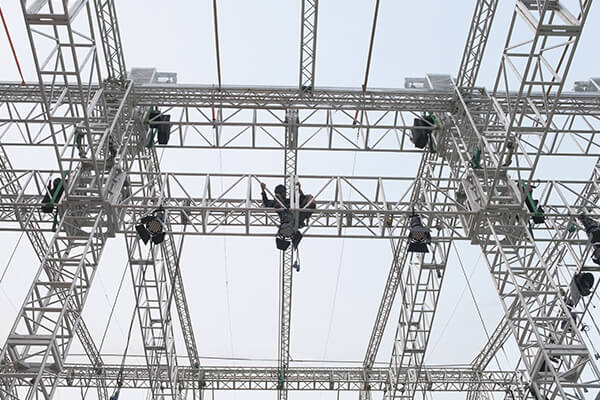
In the event and entertainment industry, rigging is one of the most essential—and most safety-critical—components of any production. Rigging systems support a wide range of equipment, including lighting fixtures, LED screens, line array speakers, banners, decorations, and other production structures.
Because these systems often suspend heavy loads above crew members, performers, and audiences, every rigging installation must be properly designed, calculated, and installed according to strict safety standards. Even a minor rigging failure can result in equipment damage, operational disruptions, or serious injuries.
What Is Rigging?
Rigging refers to the structural systems and hardware used to lift, suspend, support, and position production equipment during an event.
Common rigging components include:
- Truss Systems
- Chain Hoists
- Motor Hoists
- Steel Wire Ropes
- Shackles
- Slings
- Beam Clamps
- Rigging Hardware
- Ground Support Structures
All of these components must work together as a safe and integrated system.
Why Is Rigging Safety So Important?
Rigging systems frequently support loads weighing hundreds or even thousands of kilograms above occupied areas.
Proper safety standards help to:
- Prevent structural failures
- Reduce workplace accidents
- Protect crew members, performers, and audiences
- Maintain smooth event operations
- Comply with safety regulations and industry best practices
Rigging safety is not solely the responsibility of the rigging crew—it is a critical part of the entire event production process.
Fundamental Principles of Rigging Safety
1. Load Calculations
Every rigging installation must begin with accurate load calculations.
Factors to consider include:
- Lighting fixtures
- LED screens
- Audio systems
- Decorative elements
- Truss weight
- Dynamic loads caused by movement or wind
These calculations determine the appropriate rigging equipment and capacity requirements.
2. Working Load Limit (WLL)
Every rigging component has a maximum safe operating capacity known as the Working Load Limit (WLL).
All equipment—including slings, shackles, wire ropes, and hoists—must be used within the manufacturer’s specified limits.
Exceeding the WLL significantly increases the risk of equipment failure.
3. Secondary Safety Systems
Any equipment suspended overhead should be secured with a secondary safety system.
Examples include:
- Safety cables for lighting fixtures
- Backup slings for speakers
- Secondary attachment points for LED screens
These systems provide an additional layer of protection in the event of primary attachment failure.
4. Equipment Inspection Before Installation
All rigging equipment should be thoroughly inspected before use.
Inspections typically include:
- Wire rope condition
- Sling wear and damage
- Shackle integrity
- Chain hoist functionality
- Truss connection points
Damaged or non-compliant equipment should never be used.
5. Installation by Qualified Personnel
Rigging requires specialized training and experience.
Installation teams should have expertise in:
- Load distribution
- Hanging point assessment
- Building structure evaluation
- Safety procedures
- Emergency response planning
The knowledge and experience of the rigging crew are among the most important factors in maintaining a safe installation.
Safety Challenges in Outdoor Events
Outdoor events introduce additional variables that must be considered during rigging design and installation.
These include:
- Wind loads
- Rainfall
- Ground conditions
- Sudden weather changes
As a result, outdoor rigging structures often require additional engineering considerations to maintain stability and safety.
The Importance of Documentation and Ongoing Inspections
Professional event production companies typically implement:
- Inspection checklists
- Installation documentation
- Load calculation records
- Crew safety briefings
- Continuous monitoring during the event
These practices help ensure that safety standards are maintained throughout the entire production process.
Conclusion
Rigging safety is far more than a technical requirement—it is the foundation of a safe and successful event. Proper planning, accurate load calculations, high-quality equipment, and experienced personnel are essential for minimizing risks and protecting everyone involved.
At INDOPRO, safety is at the core of every rigging installation we perform. With more than 25 years of experience in event production, we are committed to delivering reliable, professional, and safety-focused rigging solutions for events of all sizes across Indonesia.