When planning an event, organizers often focus on the stage design, venue, or entertainment. However, one of the most influential elements in creating a memorable experience is the lighting system.
Lighting is much more than illumination. It is a powerful visual communication tool that helps create atmosphere, direct audience attention, strengthen brand identity, and enhance photography and video production.
This guide will help you understand the importance of event lighting and how to choose the right solution for your event.
Why Is Lighting Important for Events?
A well-designed lighting system can:
- Enhance the visual appeal of the event
- Highlight key areas and focal points
- Create the desired atmosphere
- Improve audience engagement
- Support professional photography and videography
- Reinforce brand identity
Even the most impressive stage design can lose its impact without proper lighting.
Matching Lighting to Different Event Types
Different events require different lighting approaches.
Corporate Events
For conferences, seminars, product launches, and corporate gatherings, lighting is typically designed to appear professional, elegant, and comfortable.
Common fixtures include:
- LED PAR Lights
- Moving Head Wash Fixtures
- Profile Spots
- Stage Wash Lighting
The primary objective is to ensure clear visibility and professional presentation quality.
Concerts and Festivals
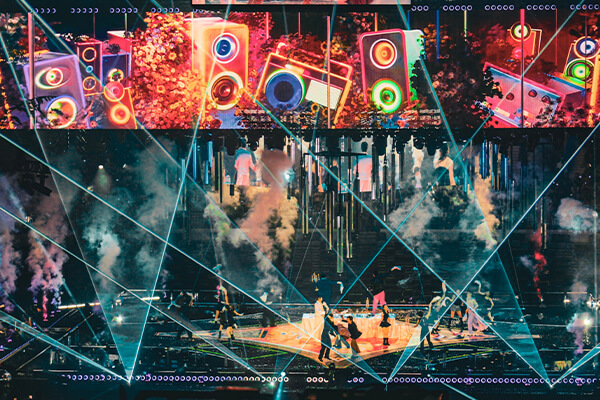
Entertainment events demand dynamic and engaging lighting effects.
Commonly used fixtures include:
- Moving Head Beams
- Moving Head Spots
- Laser Effects
- Strobe Lights
- Follow Spots
- Hazer Machines
In concerts, lighting becomes part of the performance itself, creating excitement and emotional impact.
Exhibitions and Trade Shows
In exhibition environments, lighting is used to attract visitors and highlight products or booth designs.
Popular lighting solutions include:
- Spotlights
- Wall Washers
- Accent Lighting
- LED Strip Lighting
Strategic lighting can significantly increase booth visibility and visitor engagement.
Government and Ceremonial Events
Formal events typically require elegant and balanced lighting designs.
Neutral color temperatures and consistent illumination are often preferred to create a professional atmosphere.
Common Types of Event Lighting Fixtures
PAR Lights
PAR Lights are among the most commonly used fixtures in event production.
Benefits include:
- Versatility
- Energy efficiency
- Easy installation
- Suitable for a wide range of events
Moving Head Fixtures
Moving Heads are intelligent lighting fixtures capable of automated movement and effects.
They are commonly used to:
- Create dynamic visual effects
- Follow performers
- Enhance audience engagement
Follow Spots
Follow Spots are designed to highlight speakers, performers, hosts, or key individuals on stage.
They play an important role in directing audience attention.
Wall Washers
Wall Washers illuminate walls, backdrops, and architectural elements.
They are frequently used in corporate events, gala dinners, and exhibitions.
Factors to Consider When Designing Event Lighting
Venue Size
Larger venues require more lighting fixtures and greater coverage to ensure consistent illumination.
Stage Height and Rigging Configuration
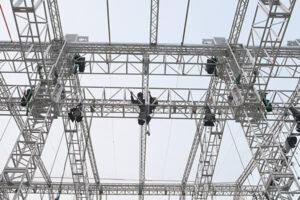
Fixture placement significantly impacts lighting effectiveness and visual results.
Audience Capacity
Audience areas should also receive adequate lighting to maintain safety and comfort.
Photography and Video Requirements
Proper lighting dramatically improves photo and video quality.
Many events experience poor documentation results due to insufficient lighting design.
Event Theme and Objectives
Lighting should support the overall event concept.
A product launch, conference, concert, and exhibition all require different visual approaches.
The Importance of Professional Lighting Designers
While modern lighting equipment offers advanced capabilities, achieving outstanding results requires professional planning.
A Professional Lighting Designer is responsible for:
- Fixture positioning
- Color selection
- Intensity control
- Lighting cue programming
- Integration with the overall event concept
Professional lighting design helps transform ordinary spaces into memorable experiences.
Conclusion
Lighting is one of the most important components of successful event production. Beyond simple illumination, effective lighting design creates atmosphere, supports storytelling, enhances audience engagement, and improves visual content quality.
As a trusted event production partner, INDOPRO provides comprehensive lighting solutions including PAR Lights, Moving Heads, Follow Spots, Wall Washers, Lighting Consoles, and Professional Lighting Designer services to help create spectacular, safe, and unforgettable events.