

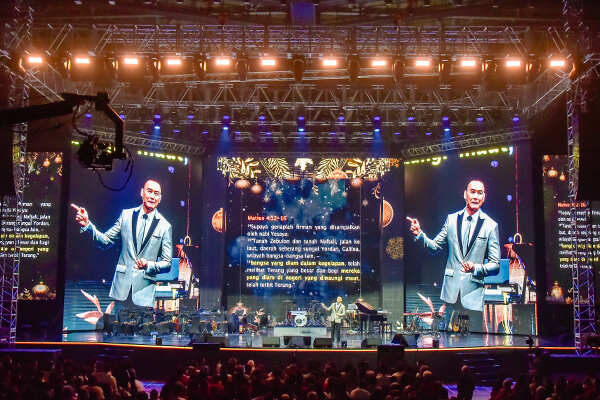
LED displays have become an essential component of modern events, from corporate conferences and exhibitions to concerts and large-scale festivals. However, many event organizers are unsure whether they should choose an Indoor LED Display or an Outdoor LED Display.
While both serve the same purpose of delivering visual content, they are designed for very different environments and applications.
What Is an Indoor LED Display?
An Indoor LED Display is specifically designed for use inside buildings and enclosed venues.
Common applications include:
- Conferences and seminars
- Corporate events
- Exhibitions and trade shows
- Weddings
- Product launches
- Television and studio productions
Because indoor environments have controlled lighting conditions, these displays do not require extremely high brightness levels.
What Is an Outdoor LED Display?
An Outdoor LED Display is designed for open-air environments and can withstand various weather conditions.
Typical applications include:
- Music concerts
- Outdoor festivals
- Sporting events
- Public gatherings
- Government events
- Outdoor advertising and digital billboards
These displays are built to remain highly visible even under direct sunlight.
Key Differences Between Indoor and Outdoor LED Displays
1. Brightness Level
Indoor LED displays operate at lower brightness levels because ambient lighting is typically controlled.
Outdoor LED displays require significantly higher brightness to ensure visibility during daylight hours.
Indoor LED: Approximately 800–1,500 nits
Outdoor LED: Approximately 4,000–8,000 nits or higher
2. Weather Resistance
Indoor LED displays are not designed to withstand rain, dust, or extreme temperatures.
Outdoor LED displays feature weather-resistant construction and protective IP ratings that allow them to operate safely in challenging environmental conditions.
3. Viewing Distance and Pixel Pitch
Indoor displays generally use smaller pixel pitches, resulting in sharper image quality when viewed at close distances.
Outdoor displays often utilize larger pixel pitches because they are intended to be viewed from farther away.
Examples:
- Indoor P2.6
- Indoor P3.9
- Outdoor P4.8
- Outdoor P5
- Outdoor P6
The smaller the pixel pitch, the higher the image resolution and detail.
4. Construction and Durability
Outdoor LED cabinets are built with stronger and more durable materials to withstand environmental exposure.
Indoor LED systems are generally lighter and easier to install in ballrooms, conference halls, and exhibition venues.
5. Power Consumption
Due to their higher brightness levels, outdoor LED displays typically consume more power than indoor displays.
As a result, power planning is an important consideration for outdoor events.
When Should You Choose an Indoor LED Display?
Indoor LED displays are recommended when:
- The event takes place inside a building
- The audience is relatively close to the screen
- High-resolution visuals are required
- Lighting conditions can be controlled
When Should You Choose an Outdoor LED Display?
Outdoor LED displays are recommended when:
- The event is held outdoors
- The screen will be exposed to direct sunlight
- The audience size is large
- Long-distance visibility is required
- Weather conditions may vary
Conclusion
Choosing between an Indoor LED Display and an Outdoor LED Display depends on more than just screen size. Event location, lighting conditions, viewing distance, and audience experience all play critical roles in selecting the right solution.
Using the appropriate LED display technology ensures that your presentations, branding, and visual content achieve maximum impact and deliver an outstanding experience for your audience.
INDOPRO provides professional LED display solutions for both indoor and outdoor events, supported by experienced technical teams dedicated to delivering exceptional visual experiences for every project.